
News & Updates
Stop Child Abuse- Newsletter
Posted on
  |
| Violence Against Children |
| Reported in the Media for August 2024 |
| As we enter another month, we’re dedicated to keeping you informed about our ongoing work. PEaCE/ECPAT Sri Lanka remains steadfast in its mission to raise awareness of child abuse, exploitation, and neglect. Our monthly newsletters serve as a key part of this mission, bringing crucial updates and insights. For August 2024, our Media Monitoring team has carefully tracked and documented incidents reported across various media platforms. This report not only reflects our commitment to aligning with UNICEF’s International Classification of Violence against Children (ICVAC) standards but also highlights emerging patterns and concerning trends in child welfare. We continue to advocate for more proactive responses to address these critical issues and protect vulnerable children across Sri Lanka. |
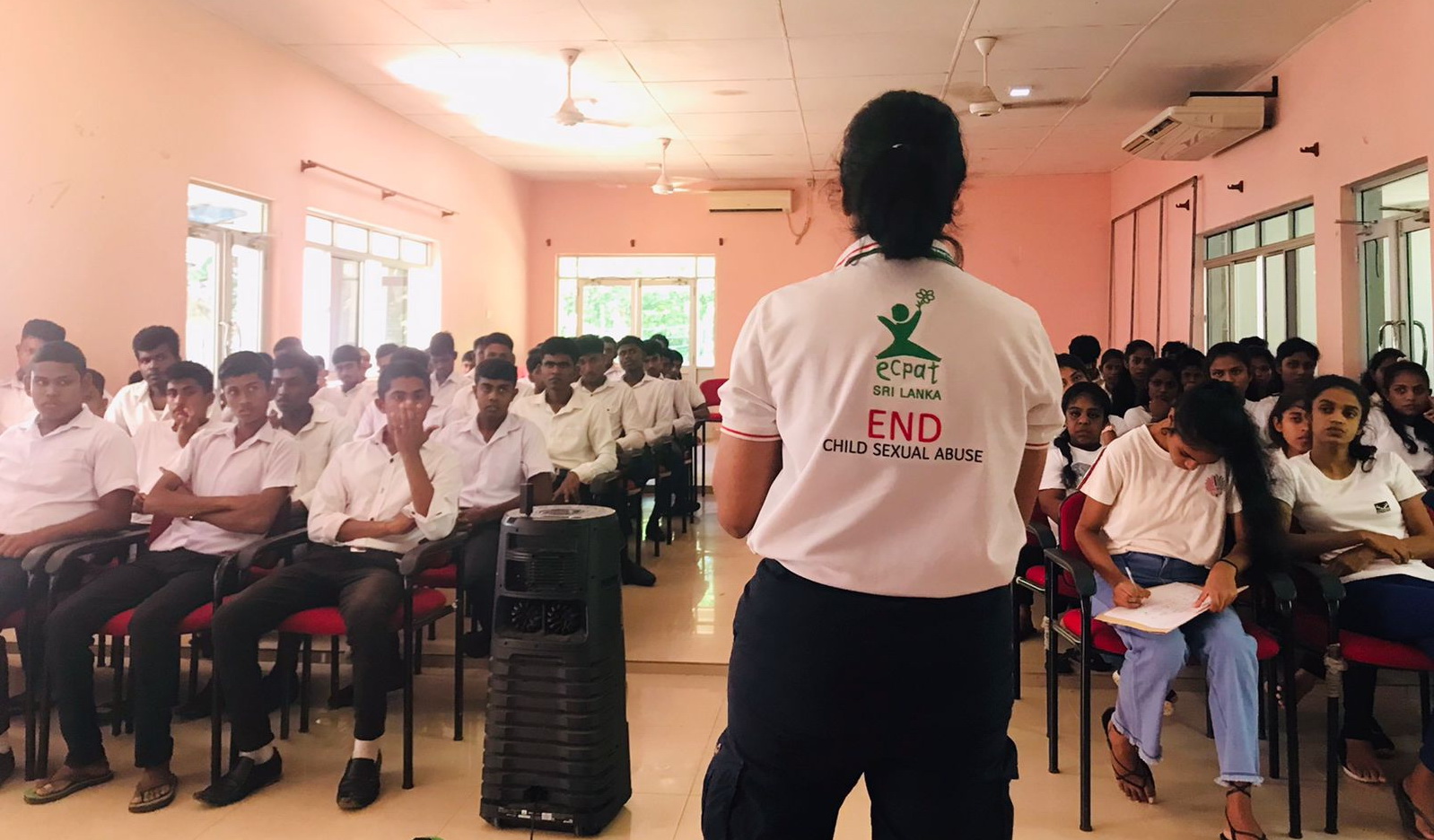 |
| PEaCE/ECPAT Sri Lanka is dedicated to raising awareness about child protection, with a focus on safeguarding children from sexual exploitation and abuse. In partnership with the National Youth Services Council (NYSC), the organisation actively engages and empowers NYSC Members in all 25 districts to contribute to child protection efforts. The above event is a one-day awareness programme that successfully brings together over a hundred young participants, aiming to educate and mobilise them as advocates in the fight against child exploitation and abuse. |
| Types of Child Abuse Incidents |
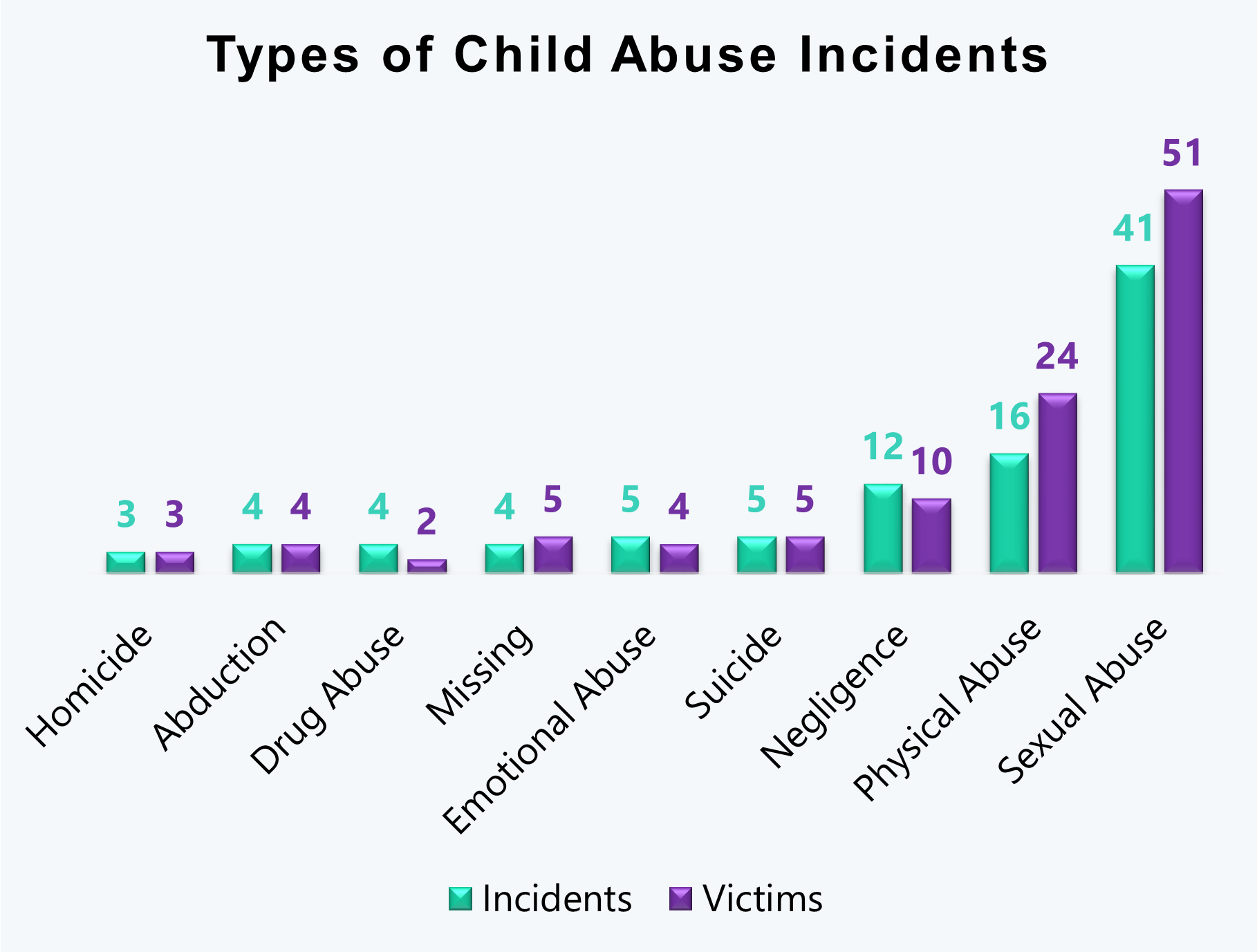 The analysis of reported child abuse incidents reveals critical insights into the nature and impact of these cases on children. In total, of the news content that was reported by mainstream media for August, there were 94 reported incidents involving 108 victims, highlighting the varied and severe types of abuse. Abductions accounted for 4 incidents with 4 affected children. Negligence was reported in 12 cases, impacting 10 children. Physical abuse cases involved reports on 16 incidents leading to 24 victims. Sexual abuse emerged as the highest this month, which is also the most frequent and distressing category, with 41 reported incidents involving 51 children. Additionally, there were 5 cases of suicide and 3 victims of homicide. Missing person cases, drug abuse, and emotional abuse were also reported, indicating a pressing need for comprehensive support and intervention measures across all forms of child abuse. |
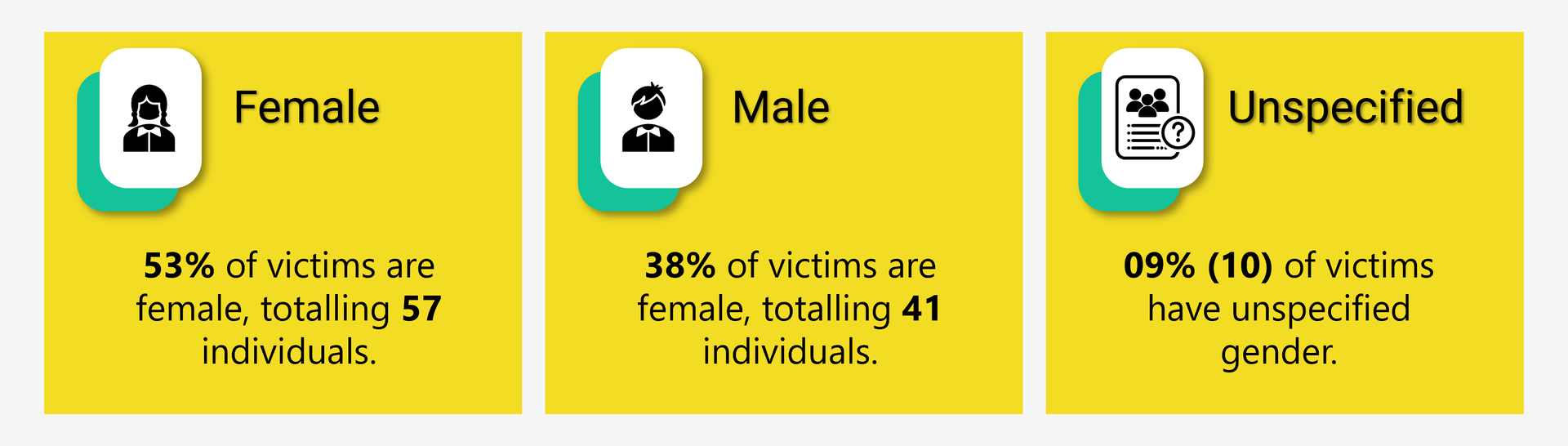
| Gender Distribution of the Victims |
| The gender analysis of reported child abuse cases reveals a notable disparity in victim demographics, emphasising the different ways abuse impacts children based on gender. Among the 108 victims, females represented the majority, with 57 individuals making up 53% of all reported cases. Male victims comprised 38% of the total, with 41 children affected. While slightly lower in number, this still reflects a significant portion of male children facing abuse, underscoring that boys, too, are at substantial risk, often facing unique forms of abuse or underreporting due to stigma or cultural factors. Furthermore, 10 cases (9%) did not specify gender, indicating potential gaps in reporting. |
 |
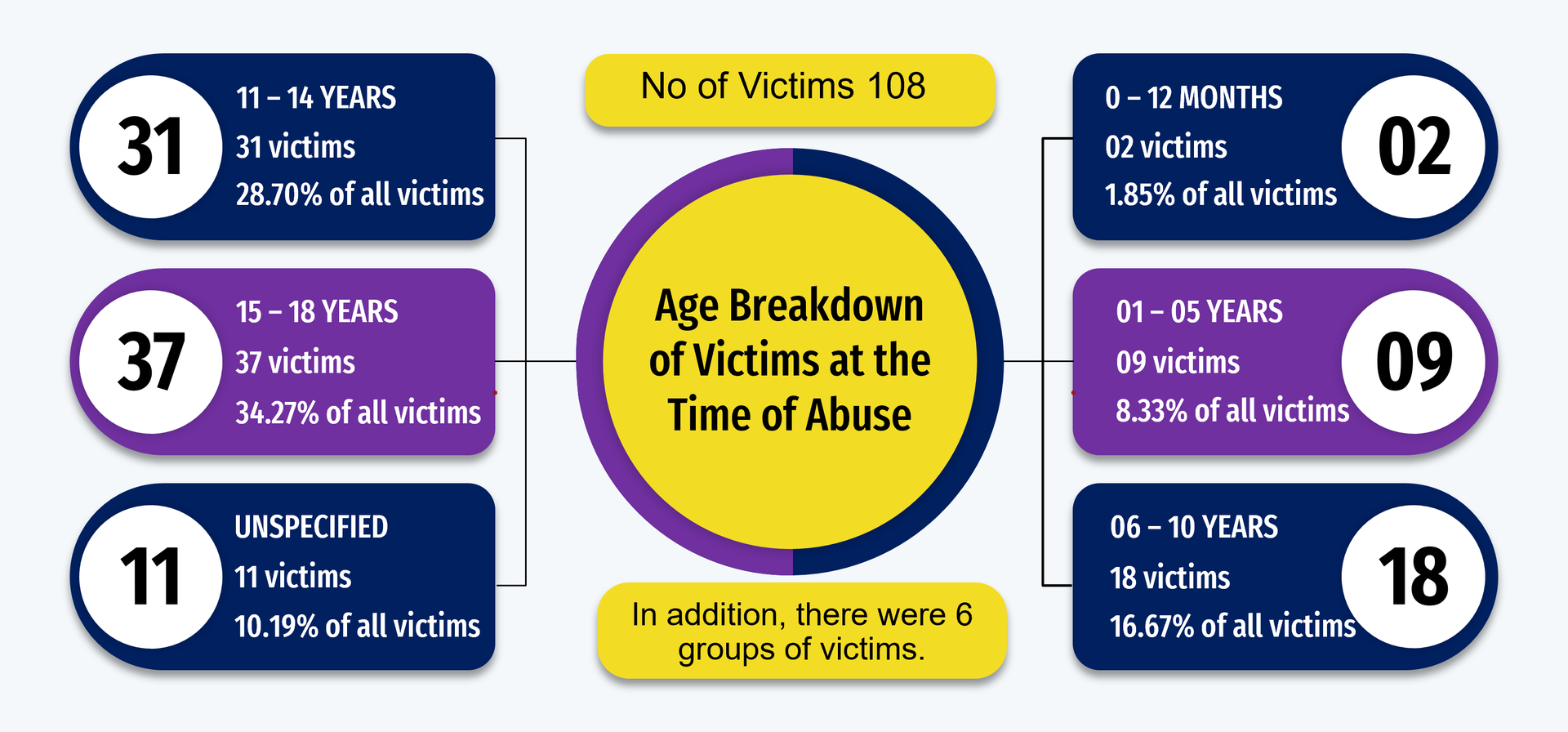
| Age Distribution of Victims |
| An analysis of child abuse cases by gender reveals a significant disparity. Of the 108 victims, females accounted for the largest group, with 57 individuals (53%) reported in August alone. Males made up 38%, totaling 41 children. Additionally, 10 cases (9%) did not specify gender, highlighting potential gaps in data collection. As we at PEaCE consistently emphasise, it is important to remember that these reports represent only a small fraction of the cases known to authorities such as the Police and the NCPA. Many cases remain unreported due to stigma. Nevertheless, the cases that come to light are eye-opening and distressing, underscoring the urgent need for continued discussion and action. |
 |
| Perpetrator’s Trends |
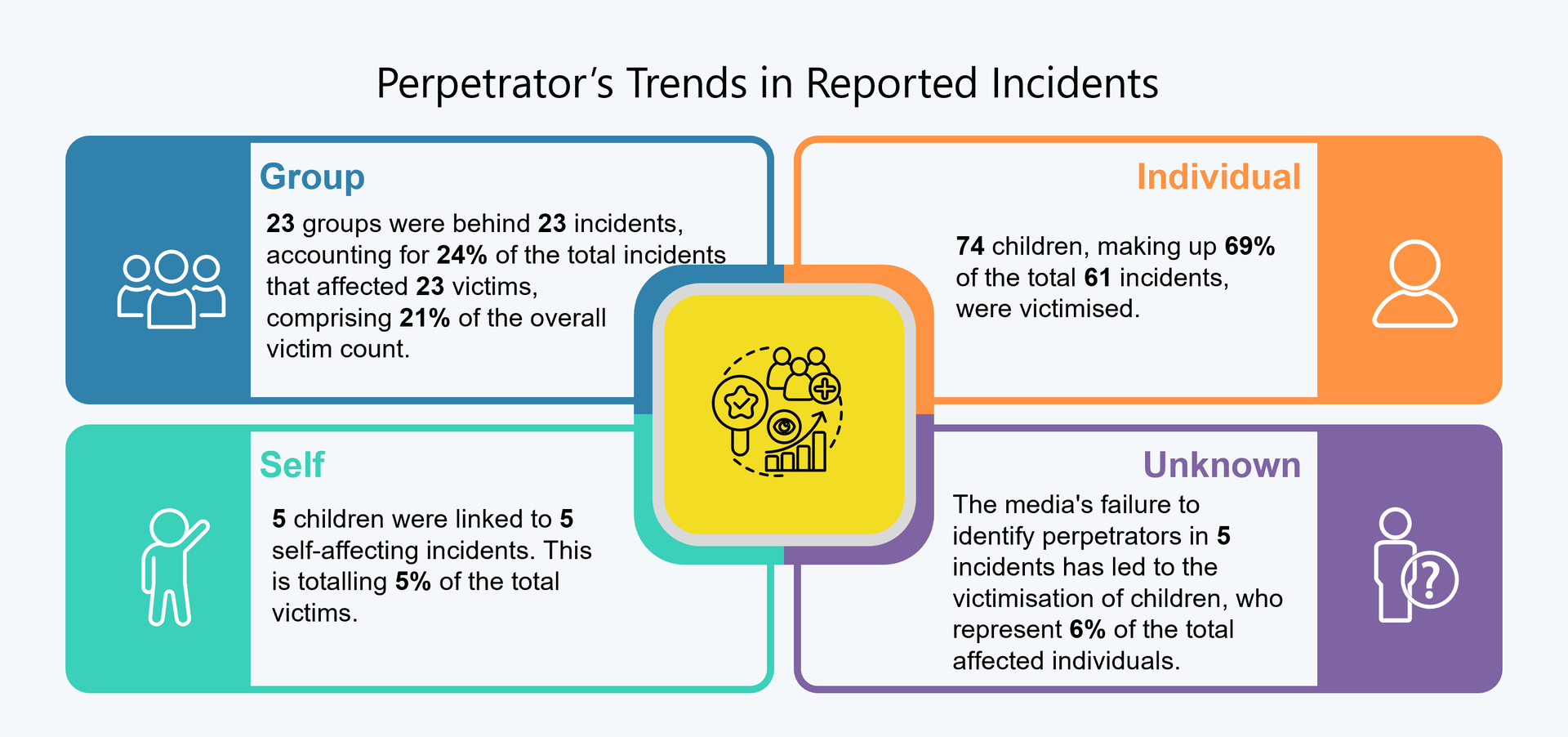
| The analysis of child abuse cases shows distinct patterns in perpetrator types. A significant majority of incidents (64.89%) involved individual perpetrators, impacting 74 victims. Group-perpetrated incidents accounted for 24.47% of cases, involving 23 children and making up 21.30% of total victims. A smaller yet concerning portion (5.32%) involved cases where self-harm was the primary factor, resulting in 5 affected individuals, equalling 4.63% of the total victims. Additionally, 5 incidents had unknown perpetrators, highlighting an area for improvement in investigative reporting and data collection. |
 |
| Perpetrator’s Specific Classifications |
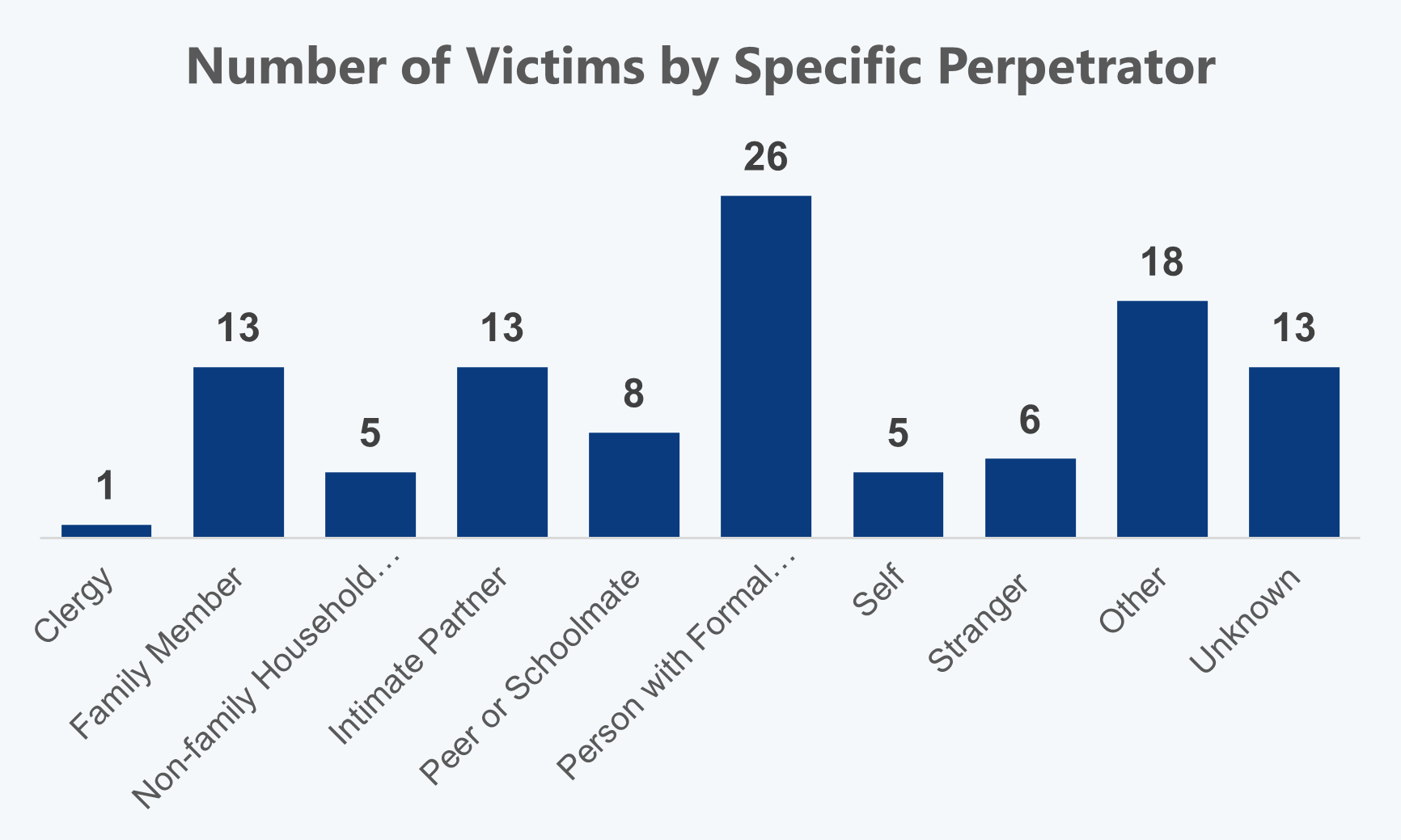 An examination of specific relationships between perpetrators and child abuse victims reveals concerning trends. Persons with formal authority accounted for the highest number of cases, with 26 victims (24.07%). Family members and intimate partners each contributed to 12.04% of cases, affecting 13 children, respectively. Strangers were responsible for 5.56% of incidents, impacting 6 victims, while peers or schoolmates made up 7.41% of cases, affecting 8 children. Non-family household members were perpetrators in 4.63% of cases. Unspecified or unknown perpetrators were present in 12.04% of incidents, underscoring data collection challenges. Additionally, 16.67% of cases fell into the “Other” category. An examination of specific relationships between perpetrators and child abuse victims reveals concerning trends. Persons with formal authority accounted for the highest number of cases, with 26 victims (24.07%). Family members and intimate partners each contributed to 12.04% of cases, affecting 13 children, respectively. Strangers were responsible for 5.56% of incidents, impacting 6 victims, while peers or schoolmates made up 7.41% of cases, affecting 8 children. Non-family household members were perpetrators in 4.63% of cases. Unspecified or unknown perpetrators were present in 12.04% of incidents, underscoring data collection challenges. Additionally, 16.67% of cases fell into the “Other” category. |
| Settings Where the Violence Occurred |
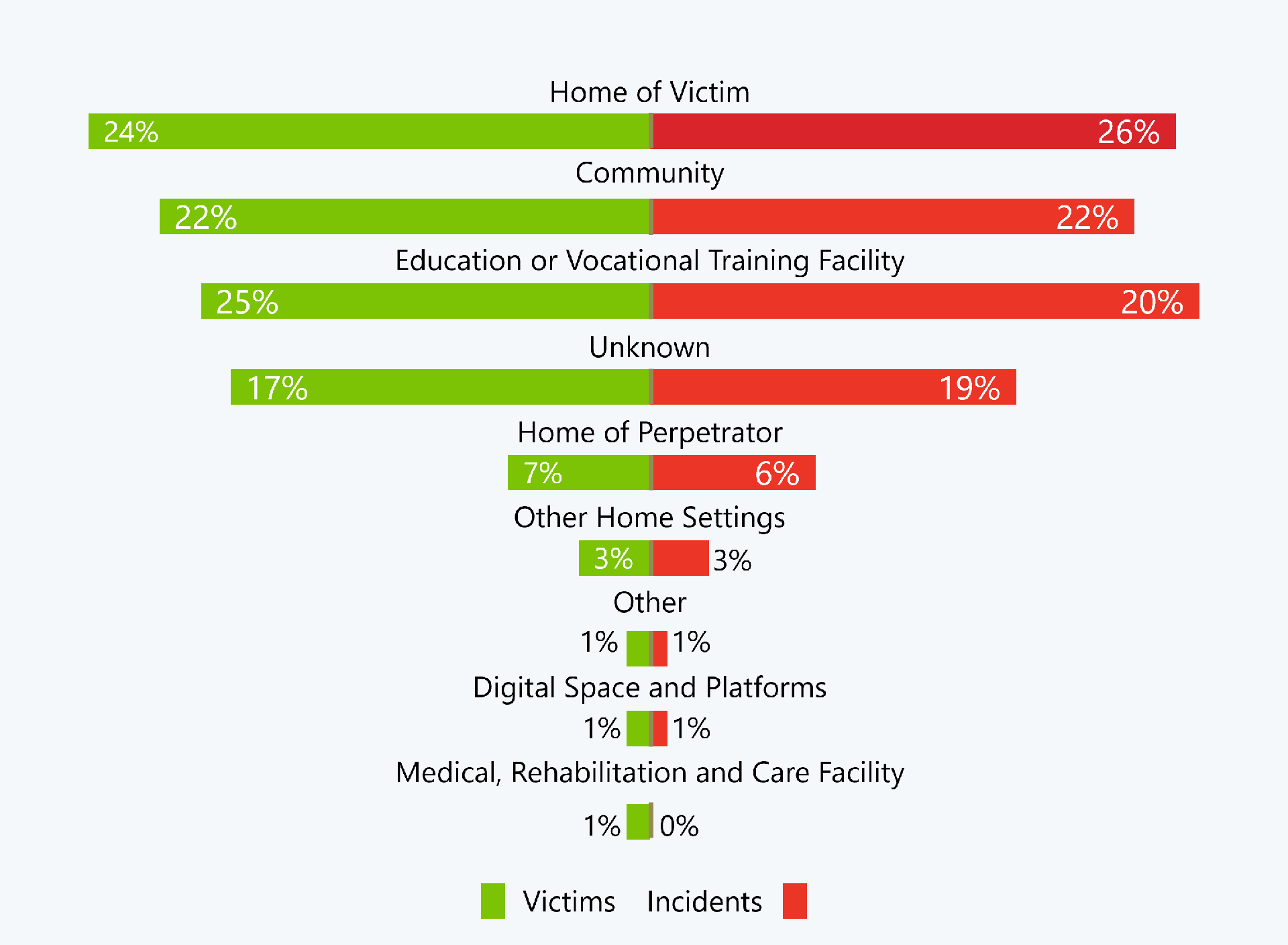
| Child abuse incidents occur in varied settings, reflecting the diverse environments in which children may be vulnerable. The most frequently reported setting was the victim’s own home, accounting for 25.53% of incidents and involving 26 victims (24.07%). Community settings were the second most common, with 21 incidents affecting 24 children. Education and vocational training facilities represented 20.21% of cases, affecting 27 children. Abuse occurring in the perpetrator’s home accounted 8 victims, while other home settings constituted 3.19% of cases. Less frequent settings included medical, rehabilitation, and care facilities (1.06%), and digital spaces (1.06%), each presenting unique challenges in detection and prevention. An additional 19.15% of cases had unspecified settings and comprised 18 incidents that were reported on, victimising 18 children. |
 |
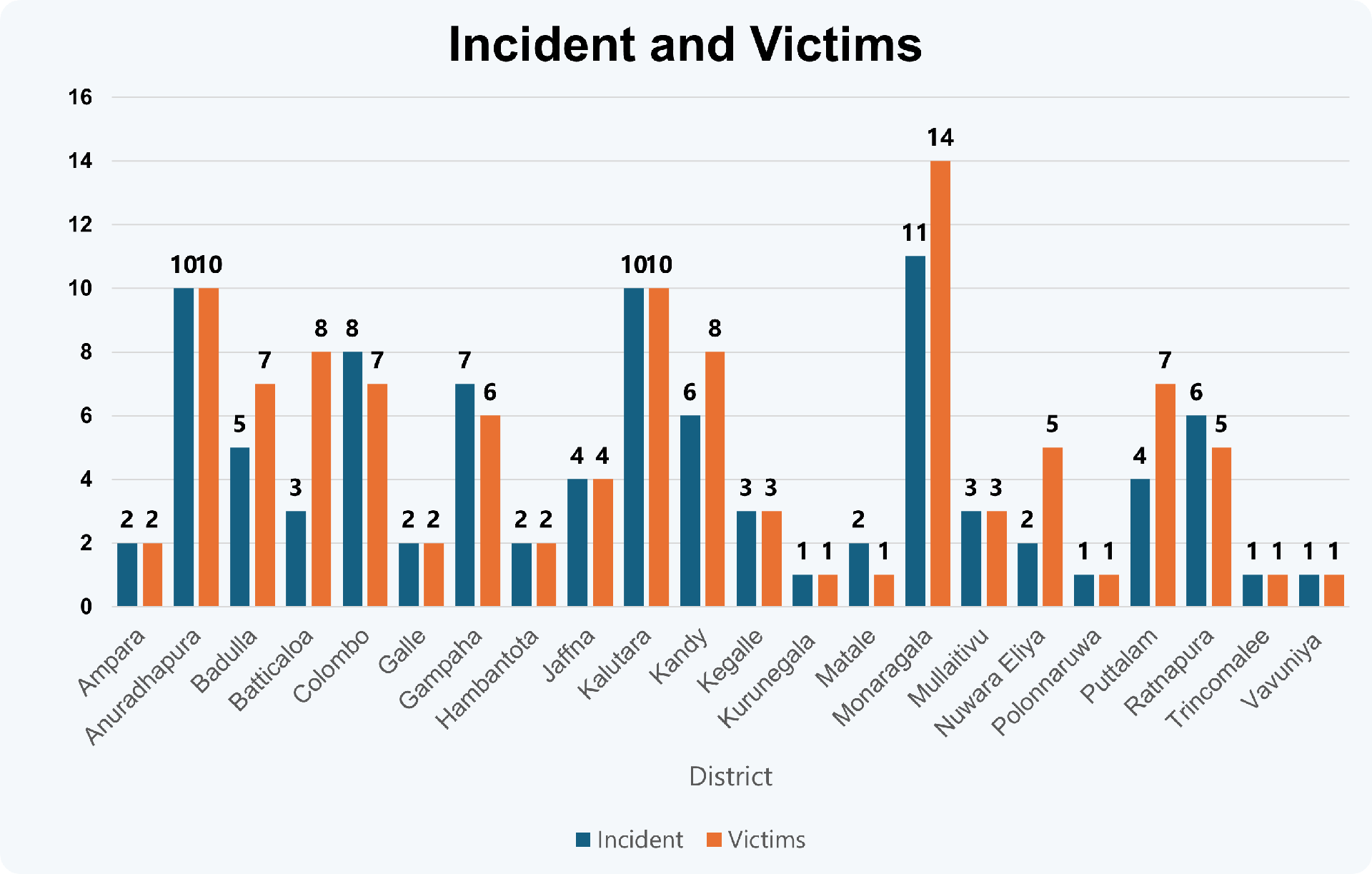
| District-wise Incidents and Victims |
| Child abuse cases show a distinct geographical concentration, with Monaragala reporting the highest number of incidents, totalling 11 cases and affecting 14 children, representing nearly 13% of all victims reported. Anuradhapura and Kalutara districts followed, each with 10 incidents and 10 victims. Other districts also showed considerable numbers. Colombo reported 8 incidents involving 7 victims, comprising 6.48% of all victims. Kandy saw 6 incidents but had 8 victims (7.41%), indicating cases with multiple victims. In Puttalam, 4 incidents resulted in 7 affected children (6.48%), while Ratnapura recorded 6 incidents impacting 5 children (4.63%). Gampaha also showed 7 incidents with 6 victims, accounting for 5.56% of the total. |
 |


| PEaCE | ECPAT Sri Lanka |