 
Violence Against Children
Reported in the Media for September 2024
As every month goes by with cases of violence against children being reported, children remain as statistics that, sadly, cannot be attributed to anything positive when it comes to the abuses they face. If anything, then the only positive aspect of this newsletter is that it allows you – members of the public, to at least get a glimpse of the true picture and the types of cases that fall under child sexual exploitation and abuse.
As we do so each month, the month of September too, has brought us more news and incidents of children who have faced numerous situations of abuse, those that fall under the brackets of physical, emotional, sexual and negligence. Our Media Monitoring team keeps tracking and documenting incidents reported across various media platforms. This report reflects our commitment towards aligning with UNICEF’s International Classification of Violence against Children (ICVAC) standards. 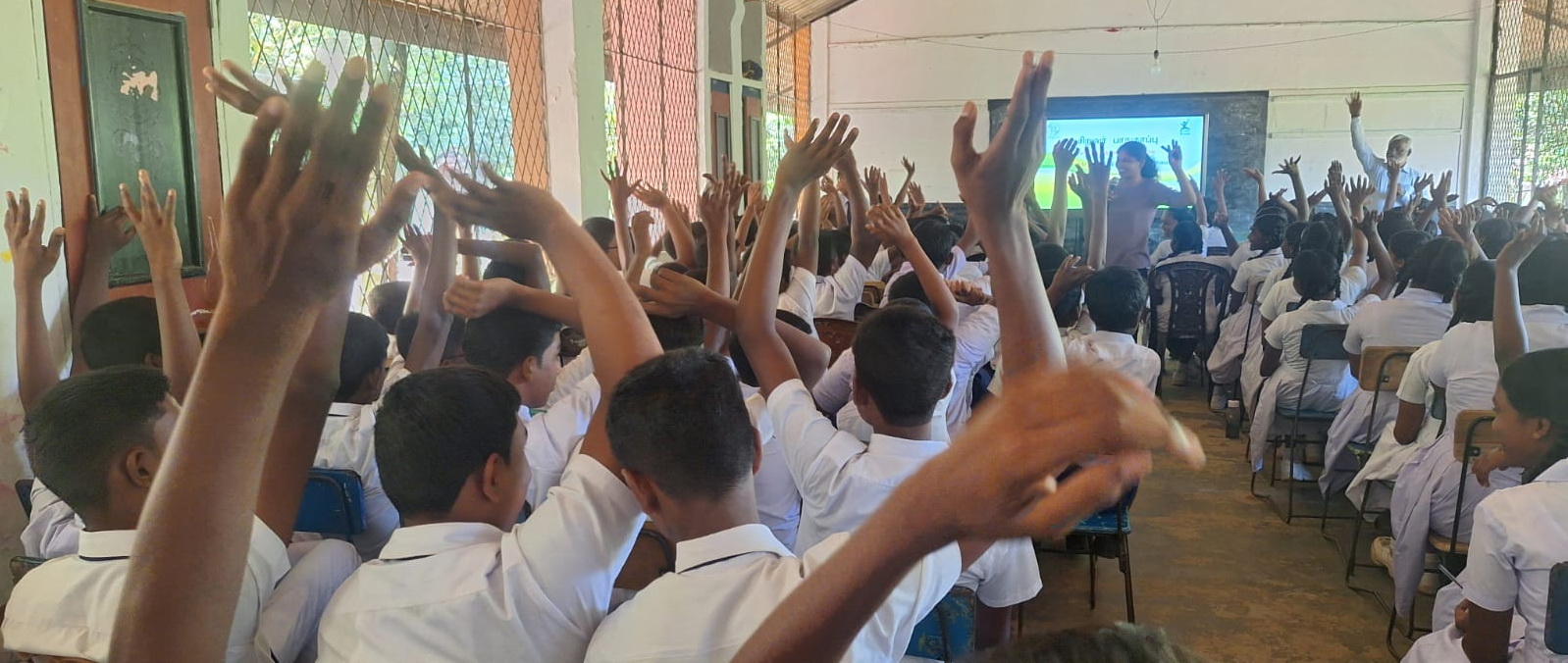
PEaCE/ECPAT Sri Lanka, in partnership with the Ministry of Education, is committed to enhancing child protection measures in rural and remote village schools across the country. Our primary focus is on preventing sexual exploitation and abuse. To achieve this, we initiate by training teachers in select schools, equipping them with essential knowledge and tools in child protection.
These trained teachers then spearhead awareness programs tailored for their students. In collaboration with Zonal Education Directors, we aim to reach all 25 districts, ensuring that this critical message of child protection is widespread and impactful. We are also conducting inter-school debates to engage students actively on online safety and provide training for school prefects to develop their skills in monitoring and preventing child abuse at the school level. By doing so, we empower teachers and students to create a supportive network that prioritises the
safety and protection of every child.
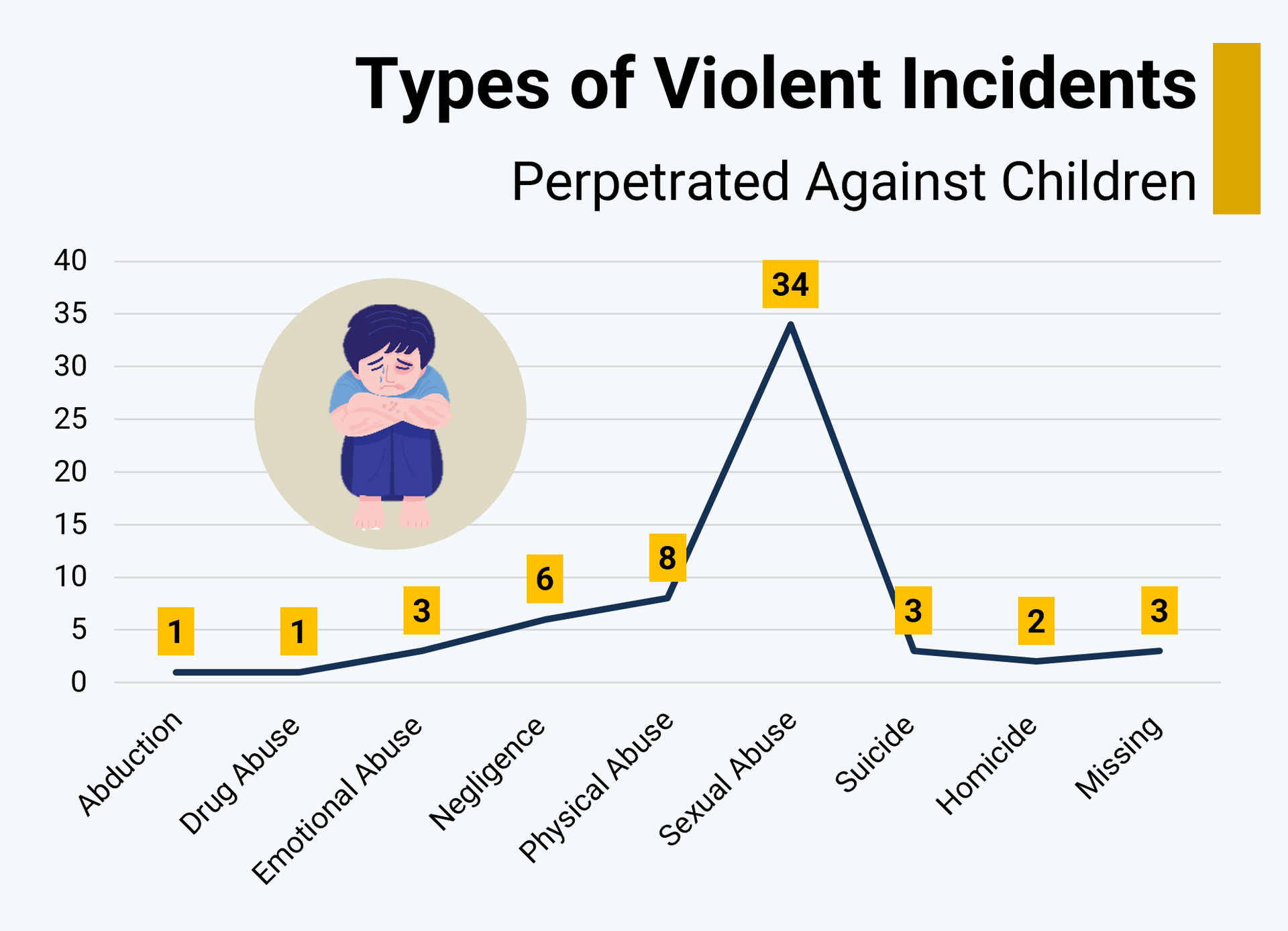
As per the September analysis, mainstream media reported stories on 61 incidents, which spawned 95 victims, a gradual decline in reportage compared to the August figures. A breakdown of these revealed one case of abduction and one drug abuse incident, which, thankfully, the latter did not seem to have produced any victims. However, simply because a news item did not report on any drug abuse cases does not mean that these incidents are rare. On the contrary, drug abuse situations being instigated by adults are common and a menace to society. Moving forward, three incidents of emotional abuse cases were reported, affecting 10 children, making up nearly 11% of all victims.
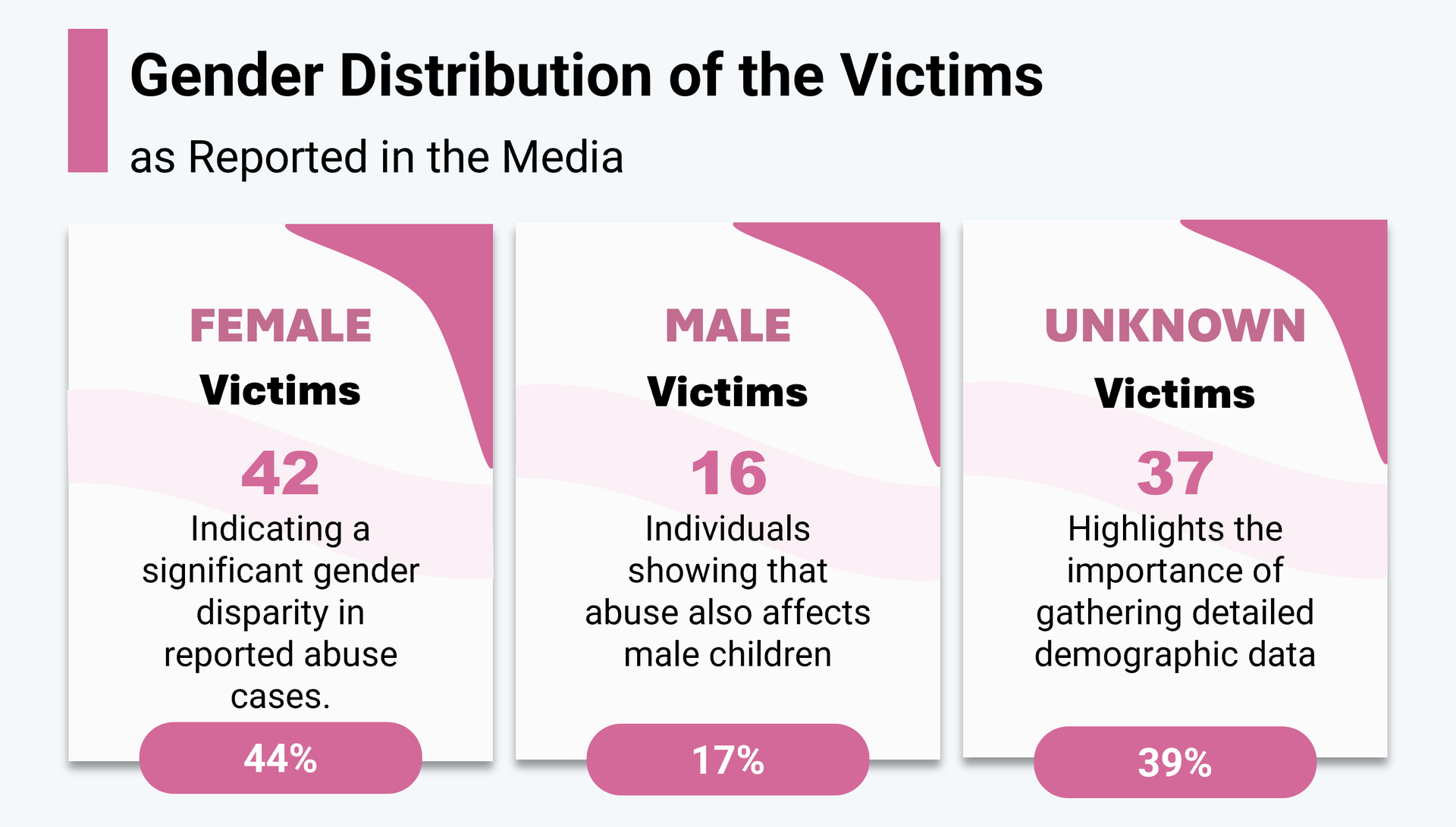
The highest number of incidents that got reported involved 34 sexual abuse incidents that victimised 35 children, which made up the highest percentage of cases reported this month, which was 36.8%. Right behind this number were 6 negligence cases, which produced 25 victims as a result, bringing this figure to 26% of all victims. An analysis of the genders of affected children during this period revealed that, as always, a majority of those who were affected, were female, with this being 42 victims. There were 16 male children out of the total. However, 39% of the victims seemed not to have enough information disclosed in relation to their genders, and this meant that 37 victims fell under the ‘unspecified’ category where their genders were concerned, thus showing a lack of coverage on those specifics by the media.
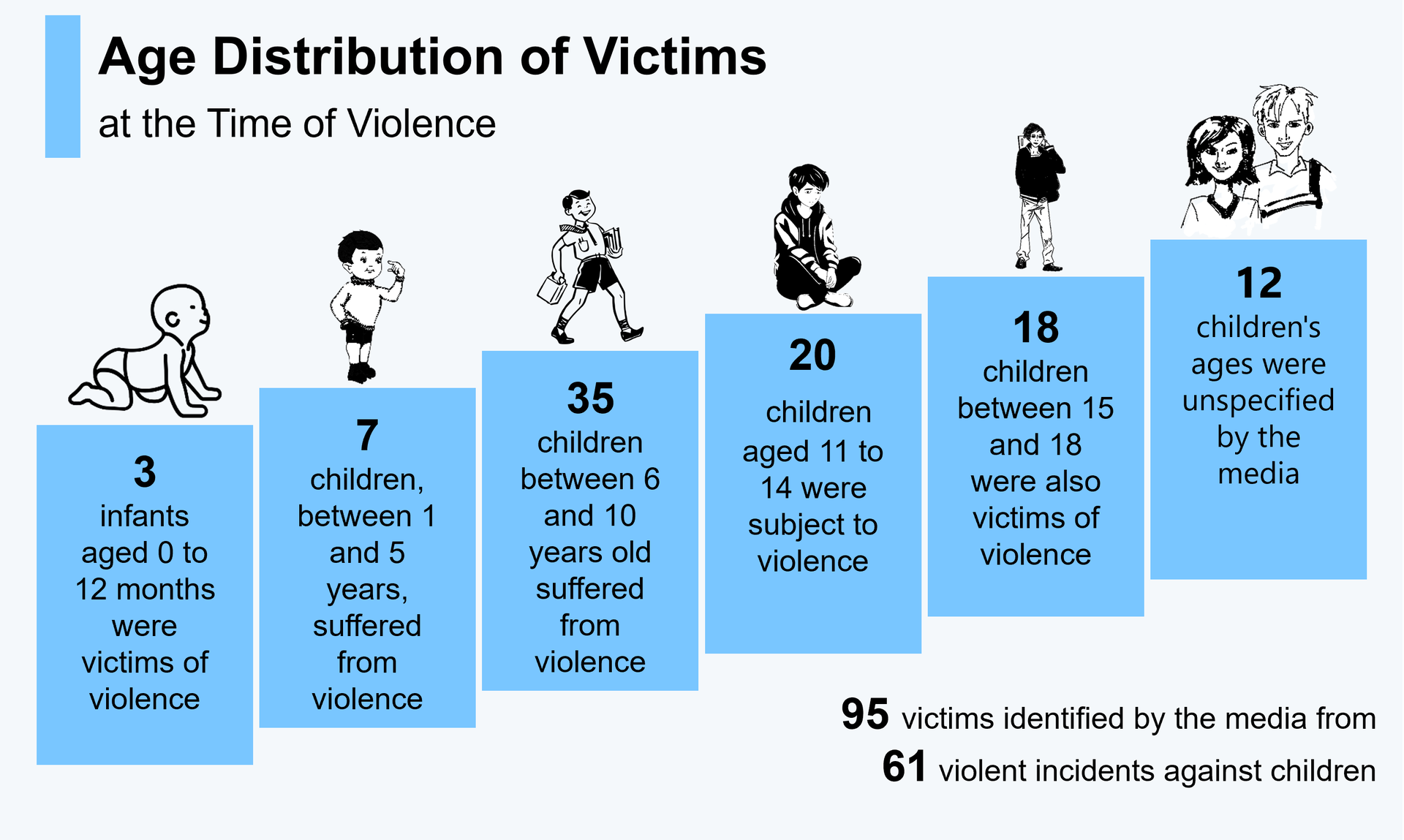
The age breakdown of victims reported in September 2024 highlights the vulnerability of children across all age groups. Young children aged 6-10 accounted for the largest group, with 35 victims (36.8%), underscoring the heightened risks they face during these formative years. Early teenagers aged 11-14, represented 20 victims (21%), while 18 victims (19%) fell within the 15-18 age range. Unfortunately, even very young children are not exempt from harm, as evidenced by 7 victims (7.3%) aged 1-5 and 3 babies (3.16%) under 12 months of age. Once again, the ages of 12 victims (12.6%) remained unspecified, emphasising the ongoing challenges depicted with regard to data collection and reporting.
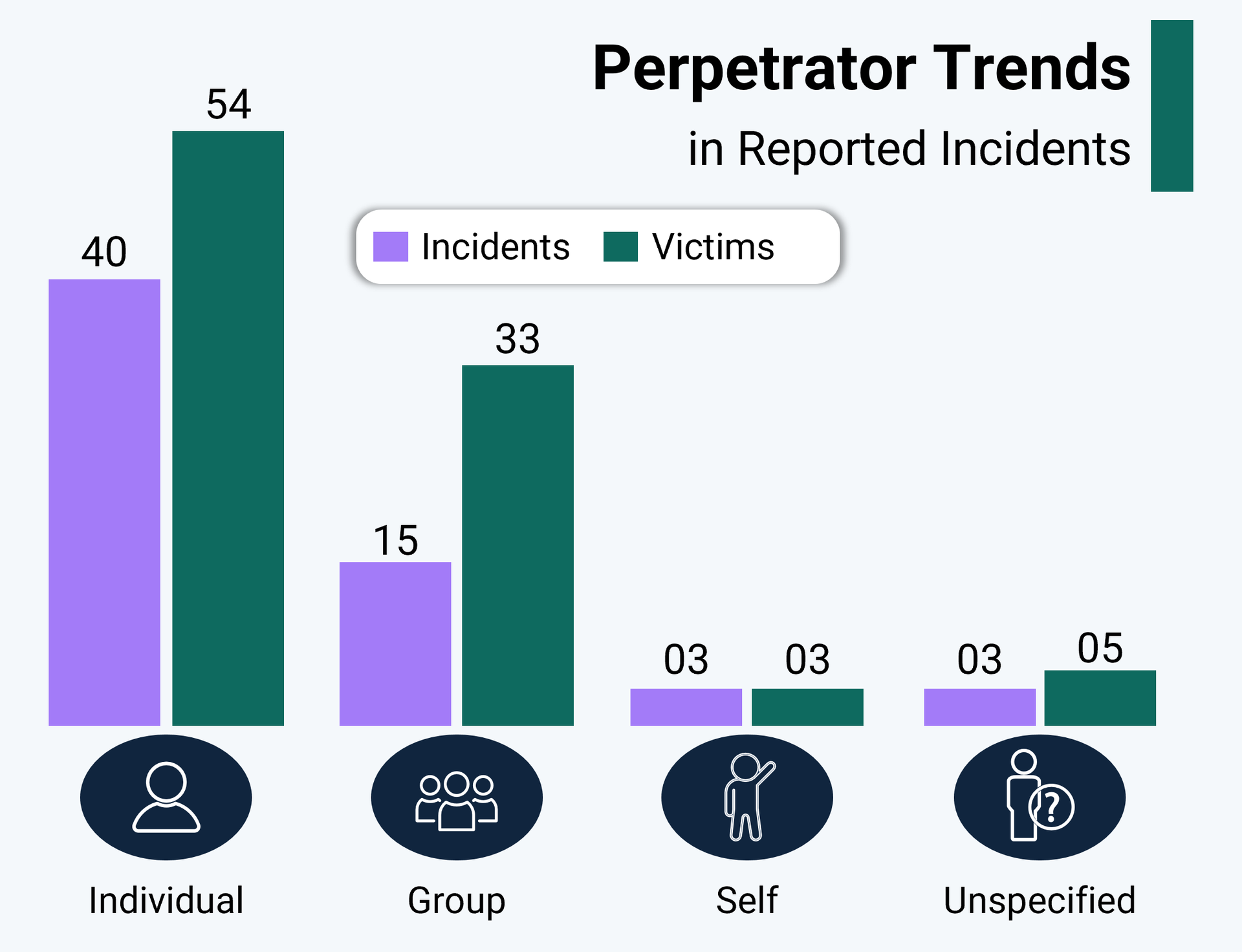
The analysis of reported incidents for September 2024 highlights notable patterns in perpetrator behaviour and the nature of offences. Incidents involving individual perpetrators were the most prevalent, with 40 cases (65.5%) affecting 54 victims, accounting for 56.8% of all reported victims. Group-related incidents comprised 15 cases (24.6%) and resulted in 33 victims, representing 34.7% of all victims. Additionally, 3 cases (4.92%) were categorised as self-inflicted incidents, where 3 children were victimised. Incidents with ‘unknown’ perpetrators accounted for 3 cases and affected 5 victims. The absence of information regarding unknown perpetrators underscores significant gaps in reporting and investigative processes. Strengthened coordination with the police and relevant authorities is crucial to improving reporting mechanisms and enhancing
investigative procedures.
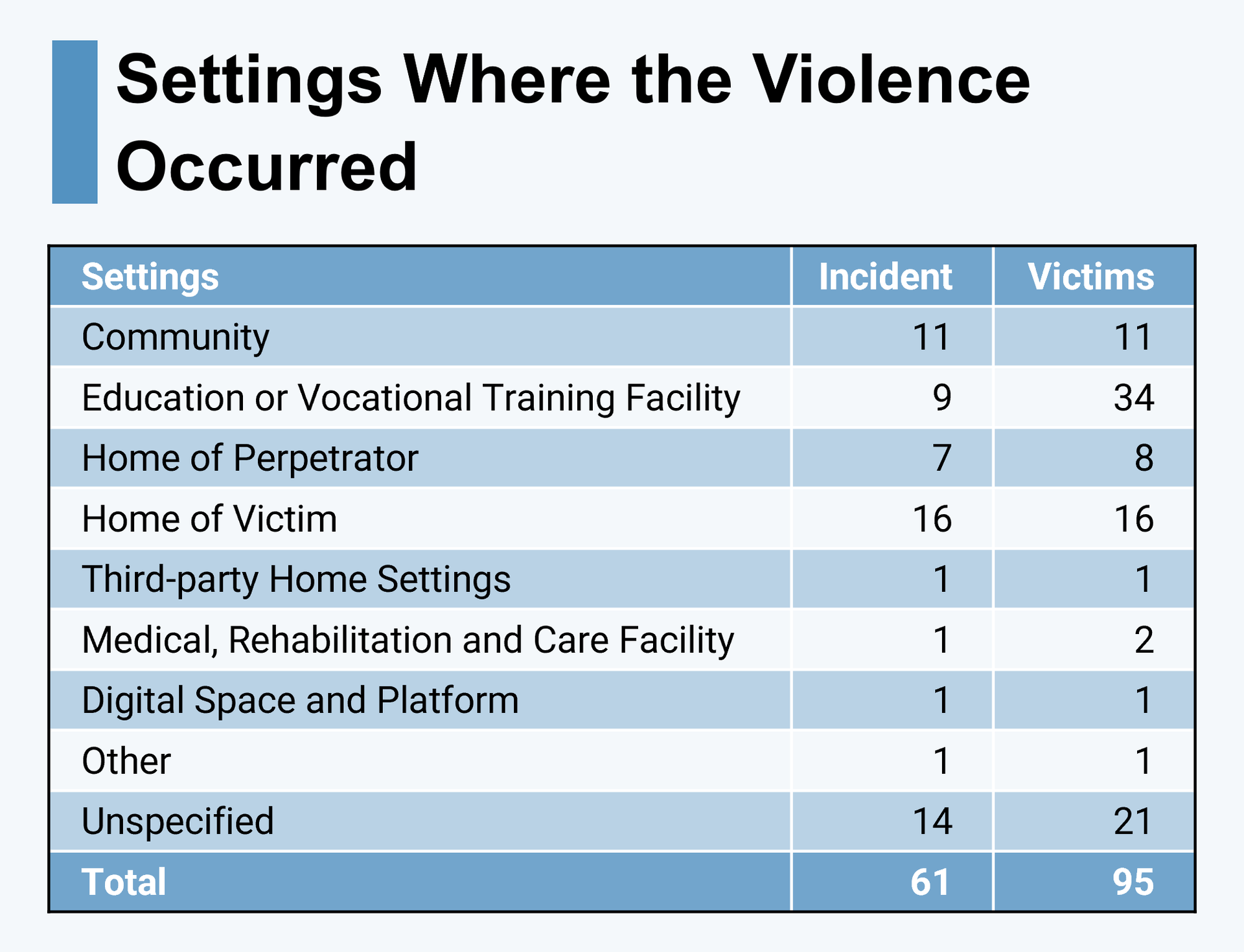
In a detailed analysis of the types of settings that allowed for these incidents of child abuse, educational and vocational training facilities emerged as the setting with the highest number of victims, accounting for 35.7% of cases, where 9 incidents affected 34 victims. This figure showcased the vulnerability of children in environments intended for learning and growth. The home of the victim also presented alarming statistics, with 16 incidents directly impacting 16 children, contributing 16.8% to the total. Similarly, the home of the perpetrator saw 7 incidents, resulting in 8 victims (8.4%). Communities accounted for 11 incidents and 11 victims (11.6%), while third-party home settings, medical and care facilities, and digital platforms were noted with smaller numbers. Although these categories did not feature prominently in reported news, it is a stark reminder that a child’s safety can be compromised in any context. Equally concerning is the “unknown” category, which accounted for 14 incidents and 21 victims, placing it as the second-highest contributor for this month.
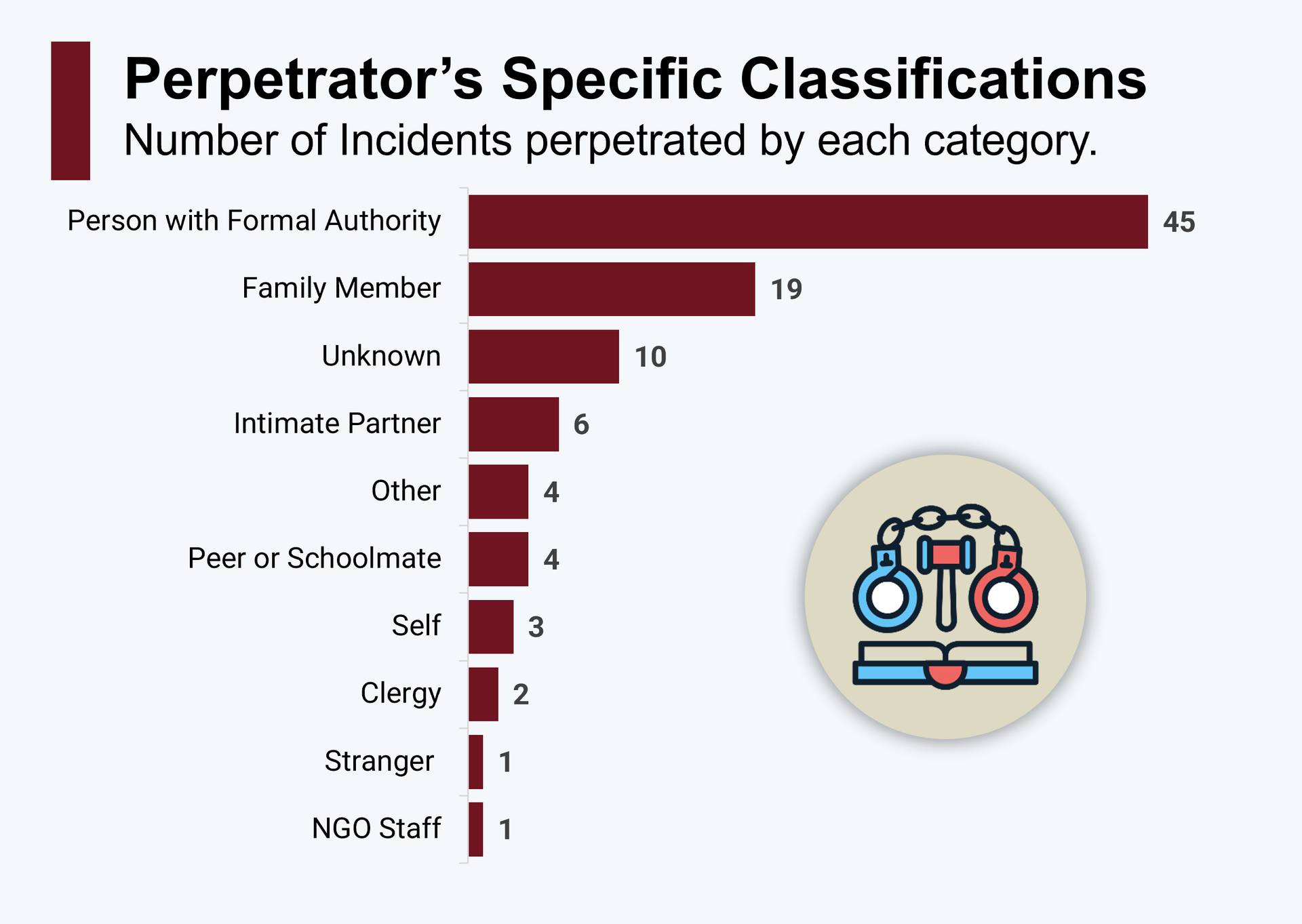
The breakdown of perpetrators and their specific classifications involved in these incidents revealed that perpetrators who identified as Persons with Formal Authority were responsible for the victimisation of 45 children, representing 47.3% of the total. This highlights a concerning pattern of abuse perpetrated by individuals in positions of power, such as teachers, law enforcement, or other formal authority figures. Family members were responsible for a substantial portion of the abuse, with 19 victims (20%) affected within their homes. Intimate partners were caught up in 6 cases (6.32%), and peers or schoolmates accounted for 4 cases or 4.2% of the total. Additionally, there were 3 victims (3.16%) who harmed themselves. A further 4 cases (4.21%) fell into the ‘Other’ category. Notably, 10 victims were affected by unknown perpetrators, emphasising challenges in identifying those responsible for these incidents.
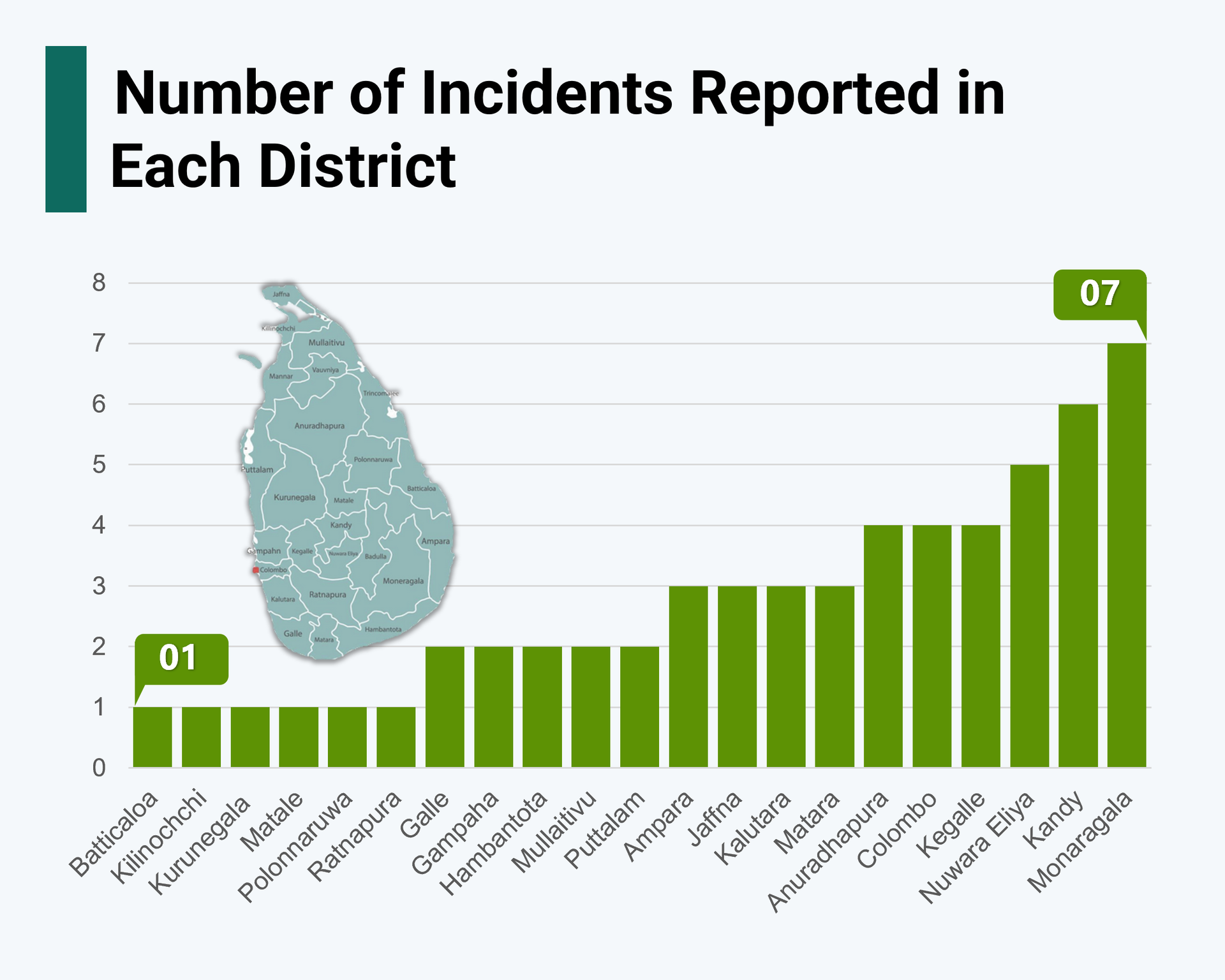
Regarding districts contributing to the majority of reported incidents, Monaragala recorded the highest number of cases in September, with 28 victims, accounting for 29% of the total. Media coverage highlighted these incidents extensively. Following closely was Kandy, which reported 7 victims, making up 7.37% of the total. Interestingly, Nuwara Eliya had only 5 reported incidents but accounted for the second-highest number of victims, with 17 individuals affected, representing 17.89% of the total. Other districts that reported at least four incidents included Anuradhapura, Colombo, and Kegalle, with 4, 3, and 4 victims respectively. Notably, for this period, at least one news story from every district in Sri Lanka received coverage in the mainstream media. Tragic Consequence of Physical Punishment of a Student A 16-year-old female Grade 10 student from a well-known school in Wennappuwa suffered physical punishment from two teachers and, after three months, passed away after failing the medical treatments.
The incident occurred on August 9 when the student and a peer were late returning to class. According to police investigations, the teachers subjected her to physical punishment, including beating and forcing her to kneel in the sun. The assault was severe enough to admit her hospitalisation. She was initially admitted to Marawila Hospital, where a head surgery was performed. She was subsequently transferred to Colombo National Hospital and later to Ragama Hospital for physiotherapy. The Wennappuwa Police arrested the two teachers, aged 39 and 57, shortly after the incident. They were initially held in custody but released on bail on September 13. However, they were re-arrested on November 14 and remanded until November 18. The student passed away on the night of November 13. This heartbreaking case emphasises the urgent need for accountability and stricter preventative measures against such inhumane actions within educational institutions.
     
PEaCE | ECPAT Sri Lanka 39/4, Jayasinghe Road
Colombo 00600
Sri Lanka |