
News & Updates
Nearly 50,000 babies referred to social services every year due to domestic abuse
Posted on
Tens of thousands of babies are being caught in the “vicious cycle” of domestic abuse, with nearly 50,000 referred to social services every year because of concerns, Channel 4 News can reveal.
Freedom of Information requests showed that an estimated 48,067 babies, aged 0-2, were subject to referrals to children’s services in England due to specific fears over domestic abuse.
The figures, obtained by domestic abuse charity For Baby’s Sake and shared first with Channel 4 News, also revealed that 1,924 babies are removed and taken into care every year with domestic abuse cited as a factor.
“I remember having to tip-toe around in the mornings with two young children because if we woke him, I would get attacked.”
– ‘Kelly’
Campaigners said the “groundbreaking” data, based on a three-year average between 2021 and 2023, was likely the “tip of the iceberg” because of severe discrepancies in how local authorities recorded domestic abuse referrals.
The government has been urged to prioritise earlier targeted interventions to protect babies from harm and alleviate increasing pressure on the care system.
A government spokesperson told Channel 4 News: “These are extremely distressing figures that highlight the urgent need to break the cycle of late intervention and poor outcomes inherited in the children’s social care system”.
‘They are taking your world away’
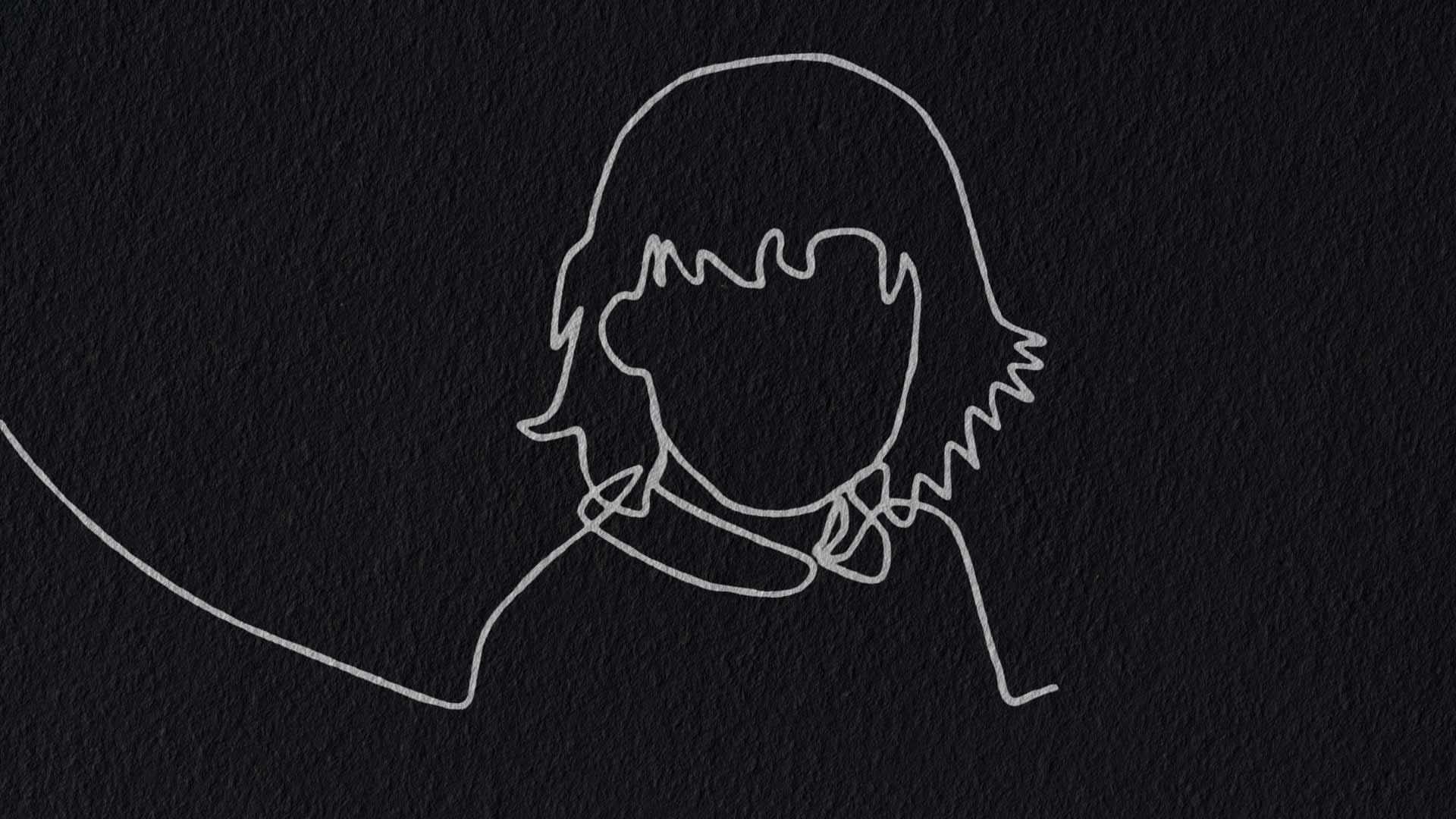
Kelly, whose name has been changed to protect her identity, escaped her violent former partner after years of physical, emotional and sexual abuse.
“I remember having to tip-toe around in the mornings with two young children because if we woke him, I would get attacked,” she told Channel 4 News.
Her eldest children were placed into care, with domestic abuse a significant factor in that decision.
“It was painful, the very worst feeling. They are taking your world away, the only reason for living. Some days, death was better for me, but then I would look at my children and they would keep me alive”.
Her ex-partner was later jailed for multiple years for the sustained campaign of abuse against her.
Kelly has since met a new partner and has kept custody of her youngest children, following trauma-focused interventions from For Baby’s Sake.
“Women do not want children taken away from them. They need to be supported, not penalised and have their world ripped away – it will destroy them.”
“Thousands of very young children are being caught up in the vicious cycle of domestic abuse and we must do more to protect them.”
– Sam Whyte
The figures, believed to be the most significant insight yet into the volume of referrals for the very youngest at risk in domestic abuse situations, are still said to be an underestimation of the issue.
Inconsistent reporting systems across local authorities have been blamed for “masking the scale of impact on babies and children”, with domestic abuse categorised by some councils with broad terms such as “abuse” or “family dysfunction”.
“When people think of domestic abuse, they’re not thinking of babies and yet we know that at least a third of domestic abuse begins in pregnancy, so children are impacted right from the very beginning,” Lauren Seager-Smith, chief executive of For Baby’s Sake Trust, said.
“What you experience as a child, very sadly, often then impacts you for a whole lifetime and you can take that into your own relationships as you grow older.”
The findings come as the government continues to pledge to halve violence against women within a decade and implement widespread reforms to a children’s social care system described as “on its knees”.
The number of children placed in residential care in England has more than doubled since 2011, according to the NSPCC, while spending on early intervention services has declined by 44% in the same period.
The 2021 Domestic Abuse Act, introduced by the previous Conservative government, formally recognised children as victims “if they see, hear or otherwise experience the effects of abuse”.
Campaigners, however, argue there is a lack of provision to deliver the automatic support that child victims are then entitled to, leaving many vulnerable to long-term consequences.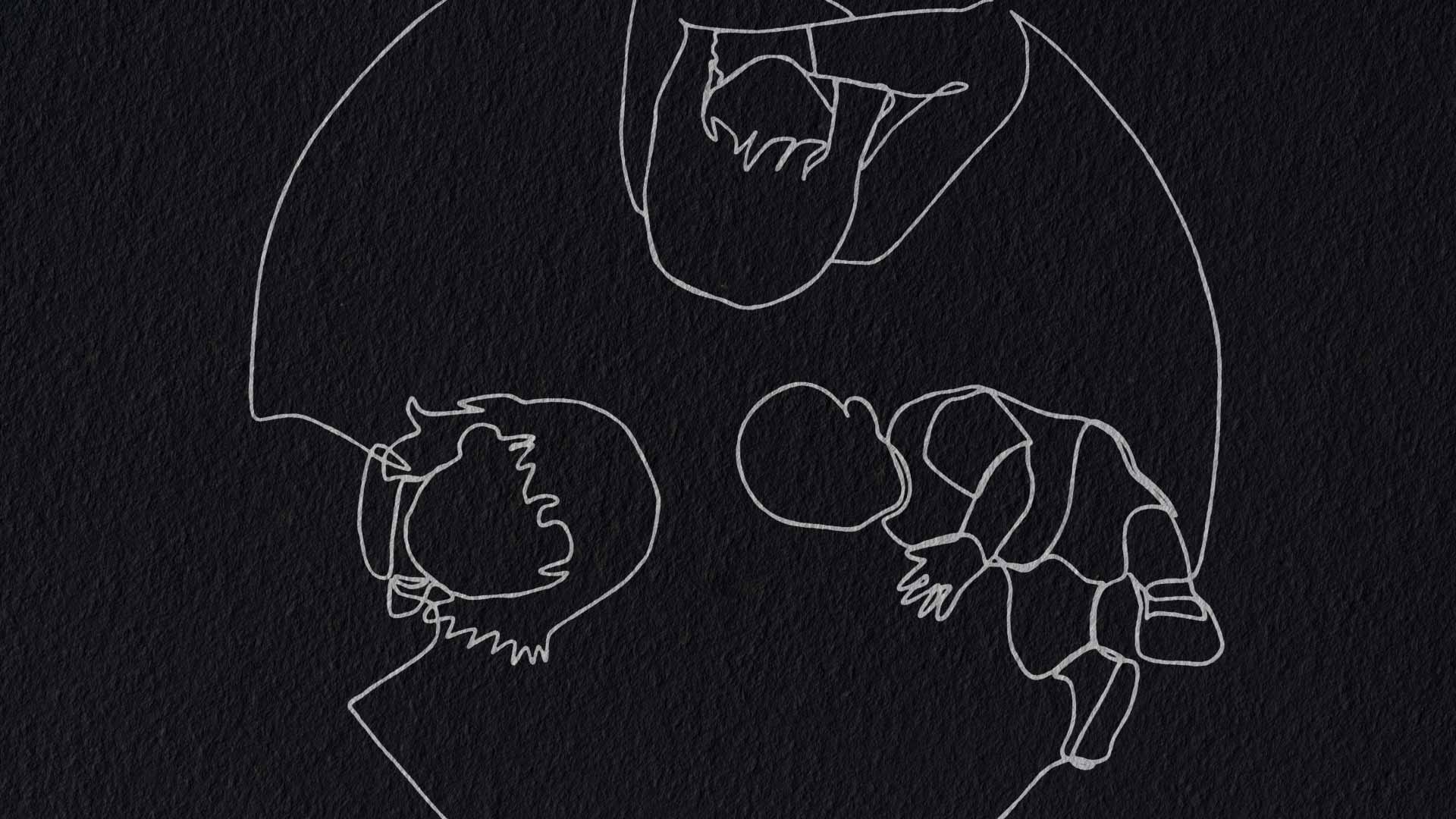
‘We will do whatever it takes to keep children safe’
“We’re already seeing what happens when you don’t intervene to give families the right support and domestic abuse is right up there as one of the main reasons that children are being referred into or being taken into care – we’ve got to tackle this head on,” Ms Seager-Smith added.
A government spokesperson said: “These are extremely distressing figures that highlight the urgent need to break the cycle of late intervention and poor outcomes inherited in the children’s social care system.
“We will do whatever it takes to keep children safe and as part of our Plan for Change are already taking swift action through the doubling of our investment in early intervention to £500m. Our landmark Children Wellbeing and Schools Bill will also ensure families access help before issues escalate.
“This government has wasted no time in taking action to make progress towards our mission of halving violence against women and girls in a decade.”
Nicole Jacobs, the Domestic Abuse Commissioner for England and Wales, said: ”This report highlights the troubling reality that so many babies are affected by domestic abuse. It is also a critical reminder that they are victims too and deserve a domestic abuse-informed response that meets their specific needs”.
Sam Whyte, from the NSPCC, said: “Thousands of very young children are being caught up in the vicious cycle of domestic abuse and we must do more to protect them. When a family receives help before these problems escalate, it can prevent a child needing to go into care in the first place. That’s why Government must prioritise investing in services aimed at early intervention.”
A Local Government Association spokesperson told Channel 4 News: “Councils want to ensure every child and their family gets the support they need. These findings highlight the urgent need for increased investment in early help services and children’s social care in the upcoming Spending Review.”