

News & Updates
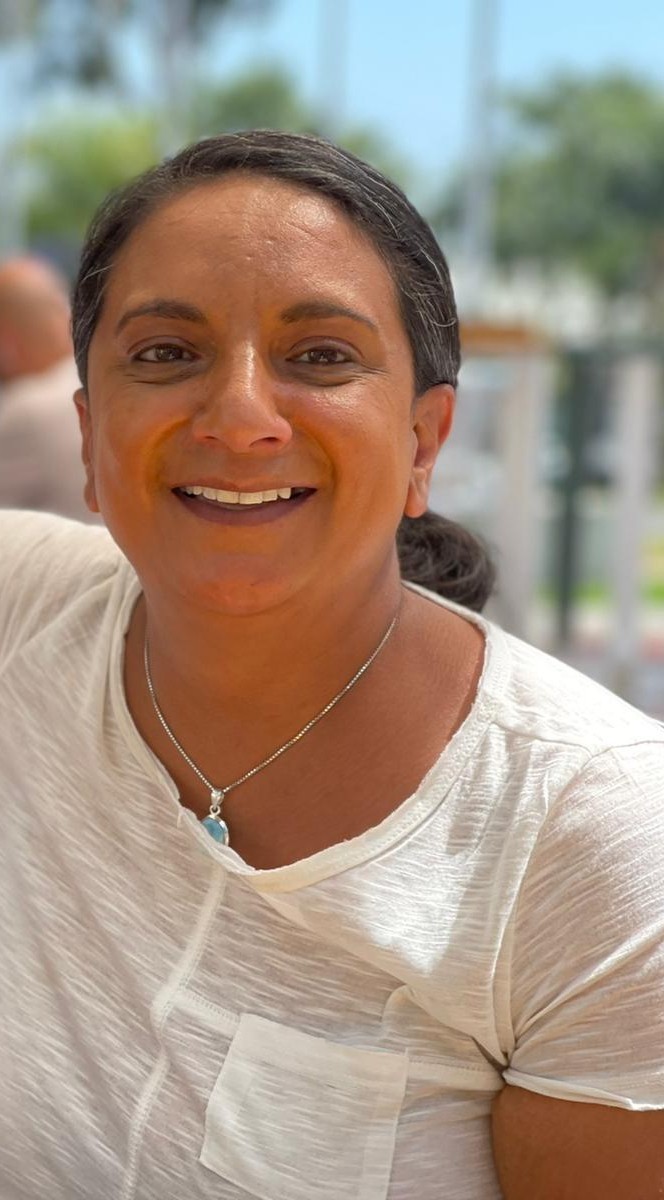
Sabah Kaiser
Posted on
Sabah Kaiser is the Survivor Engagement and Culture Lead at NWG Network, where she leads work relating to survivor participation, culture change, community engagement, and trauma-informed practice. She has over 20 years’ experience working across violence against women and girls, safeguarding, child sexual abuse, exploitation, equality, and community engagement. Beginning her career in grassroots services supporting women, children and survivors of sexual violence, Sabah has worked across frontline practice, policy, research, strategy, and organisational development. Over the past decade, Sabah has worked as an independent consultant and advisor to charities, public bodies, universities, inquiries, and government-funded programmes, specialising in survivor engagement, safeguarding, equality, diversity and inclusion, participation, culture change, and trauma-informed approaches.
Sabah is recognised for her work on language, culture, and access to services for ethnic minority communities. She served as an Ethnic Minority Ambassador for the Independent Inquiry into Child Sexual Abuse (IICSA) and has led and contributed to a range of national research, consultation and community engagement projects focused on safeguarding, child sexual abuse, exploitation, and social justice. Most recently, Sabah worked with the Independent Commission for Reconciliation and Information Recovery (ICRIR), leading strategic work across equality, disability inclusion, trauma-informed practice, performance, engagement, and organisational culture.
Sabah has expertise in equality legislation, including Section 75 of the Northern Ireland Act, and has supported organisations to embed inclusive, rights-based approaches into policy and practice. Alongside her role at NWG, Sabah continues to work across research, consultancy, and public engagement. She is an EDI Fellow at Regent’s Park College, University of Oxford, where she was awarded the Martin Luther King Fellowship in recognition of her work on equality, inclusion, and social justice. Her work is grounded in the belief that meaningful change happens when lived experience, evidence, culture, and practice are brought together to improve outcomes for children, families, and communities.